2 hr 30 min
Dana Point Marine Life Cruise with Underwater Viewing
- Entry ticket
- Mobile voucher
- Valid same day
- Free cancellation
Dana Point Whale Watching — Year-Round Marine Encounters
Gray whales in winter, blues in summer, where the Pacific corridor meets port.
Compare fares, pick the fit — all bookings are mobile-voucher and eligible for free cancellation where shown.
2 hr 30 min
2 hr
2 hr
| Experience | Duration | Rating | Guide | Small group | Free cancel. | Price | |
|---|---|---|---|---|---|---|---|
|
Standard Entry
Most popular
Dana Point Marine Life Cruise with Underwater Viewing
|
2 hr 30 min | ★ 4.8 | ✓ | — | ✓ | $100 | Book → |
|
Standard Entry
Dana Point Whale & Dolphin Watching Expedition
|
2 hr | ★ 4.6 | ✓ | — | ✓ | €59 | Book → |
|
Standard Entry
High-Speed Zodiac Whale & Dolphin Safari in Dana Point
|
2 hr | ★ 5.0 | — | ✓ | ✓ | €86 | Book → |
Worth it for marine life enthusiasts
Dana point whale watching tours run $75–$95 per adult for 2.5-hour excursions, and the value hinges on two factors: certified marine naturalists and sighting probability. Unlike casual harbor cruises, reputable operators staff every trip with biologists who explain migration patterns, communication behaviors, and ecosystem dynamics—transforming whale spotting into education. Gray whales pass through December through April with 95% sighting rates; blue and humpback whales appear May through November with 80–90% success. Summer dolphin mega-pods (thousands strong) add consistent value. The catch: nature doesn't guarantee performances. Foggy mornings reduce visibility, and whales surface unpredictably. Budget-conscious travelers should weigh $90 against the realistic chance of distant spouts versus close breaches. Families with young children get strong value from dolphin reliability and onboard expertise. Photography enthusiasts benefit from stable catamarans and naturalist guidance on whale behavior cues. Solo travelers paying full single rates may find better value in group shore excursions unless genuinely passionate about cetaceans.
Bottom line: Dana point whale watching tickets deliver strong value for wildlife enthusiasts when migration timing and weather align, but casual observers may find the cost steep for unpredictable animal behavior.
They complement each other; most visitors who do both call Dana Point the more thrilling choice for quick canyon access, while Newport Beach excels in variety and logistical scale.
|
Top pick Dana Point Harbor |
Newport Beach | |
|---|---|---|
| Proximity to deep water | Very close | Moderate distance |
| Harbor entrance speed | Immediate | Requires transit time |
| Marine life diversity | High (consistent) | High (varied) |
| Departure convenience | High (easy parking) | Moderate (dense traffic) |
| Typical tour boat size | Varied (RIBs to large) | Varied (mostly large) |
| See tickets & prices |
Verdict: Choose a dana point whale watching tour if you prioritize rapid access to deep-sea canyons, or select a Newport Beach excursion if you prefer a broader range of dana point whale watching tickets and vessel styles.
Hand-picked experiences loved by thousands of travelers
1.5 hours
Free Cancellation
Glide through the harbor at dusk while sampling organic wines paired with artisan cheese on a catamaran
3 hours
Free Cancellation
Paddle harbor waters spotting sea lions, then trek a rugged coastal path to discover a secret cave.
2 hours
Free Cancellation
Pedal-assisted journey exploring scenic beaches, harbor trails, and hidden coastal gems with a knowledgeable guide
2 hours
Free Cancellation
Explore beaches and headland trails while learning about marine ecosystems and local wildlife
45 minutes
Free Cancellation
Experience Orange County's stunning coastline from above on this private 45-minute aerial adventure
1.5 hours
Free Cancellation
Explore Dana Point Harbor's calm waters on a personalized paddleboard tour tailored to your group's pace.
5 hours
Free Cancellation
Discover Southern California's premier wine region with tastings at three estates and a picnic lunch
6 hours
Free Cancellation
Six-hour journey along Southern California's spectacular shoreline with harbor visits and island exploration
Check in at the harbor office
Safety briefing and vessel seating
On-water marine mammal tracking
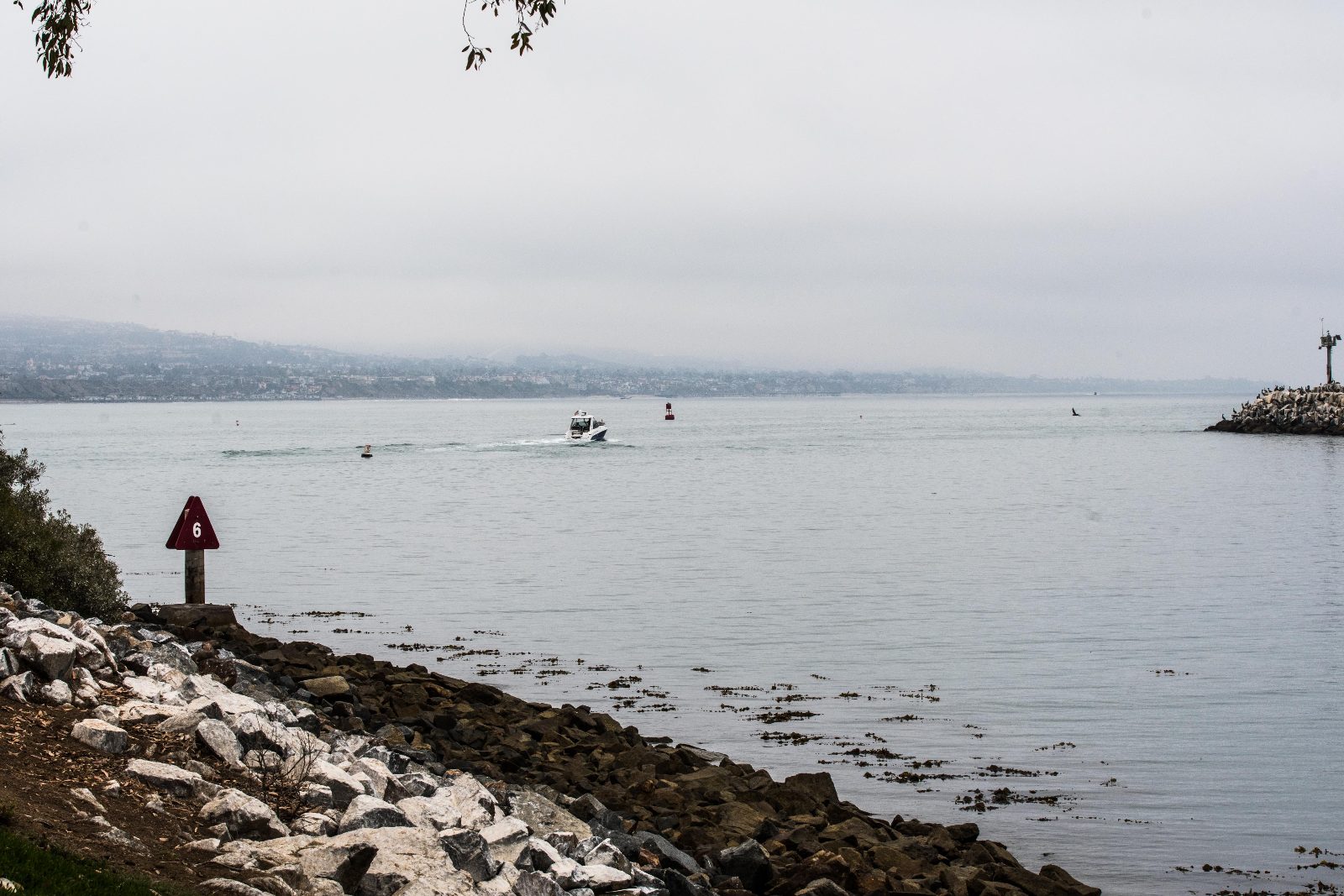
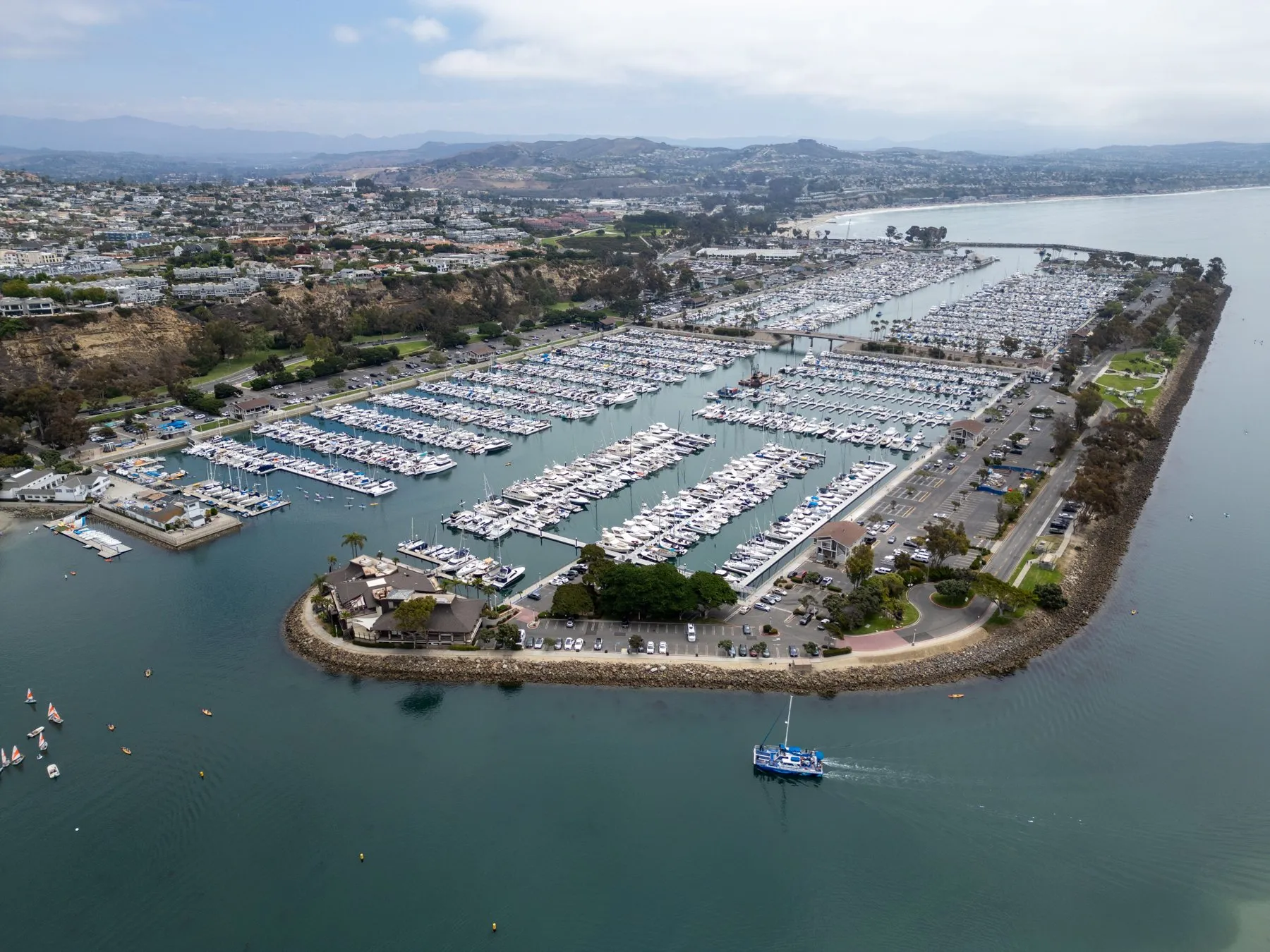
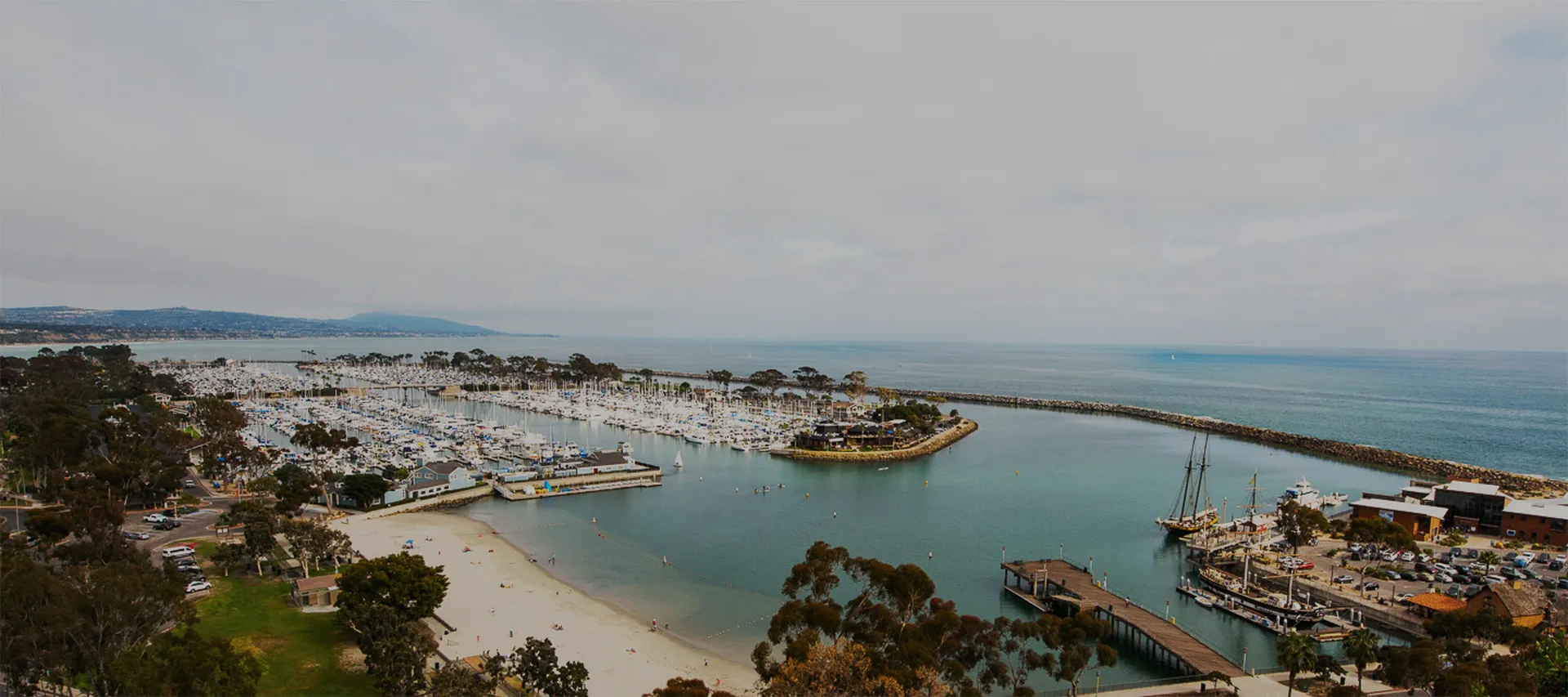
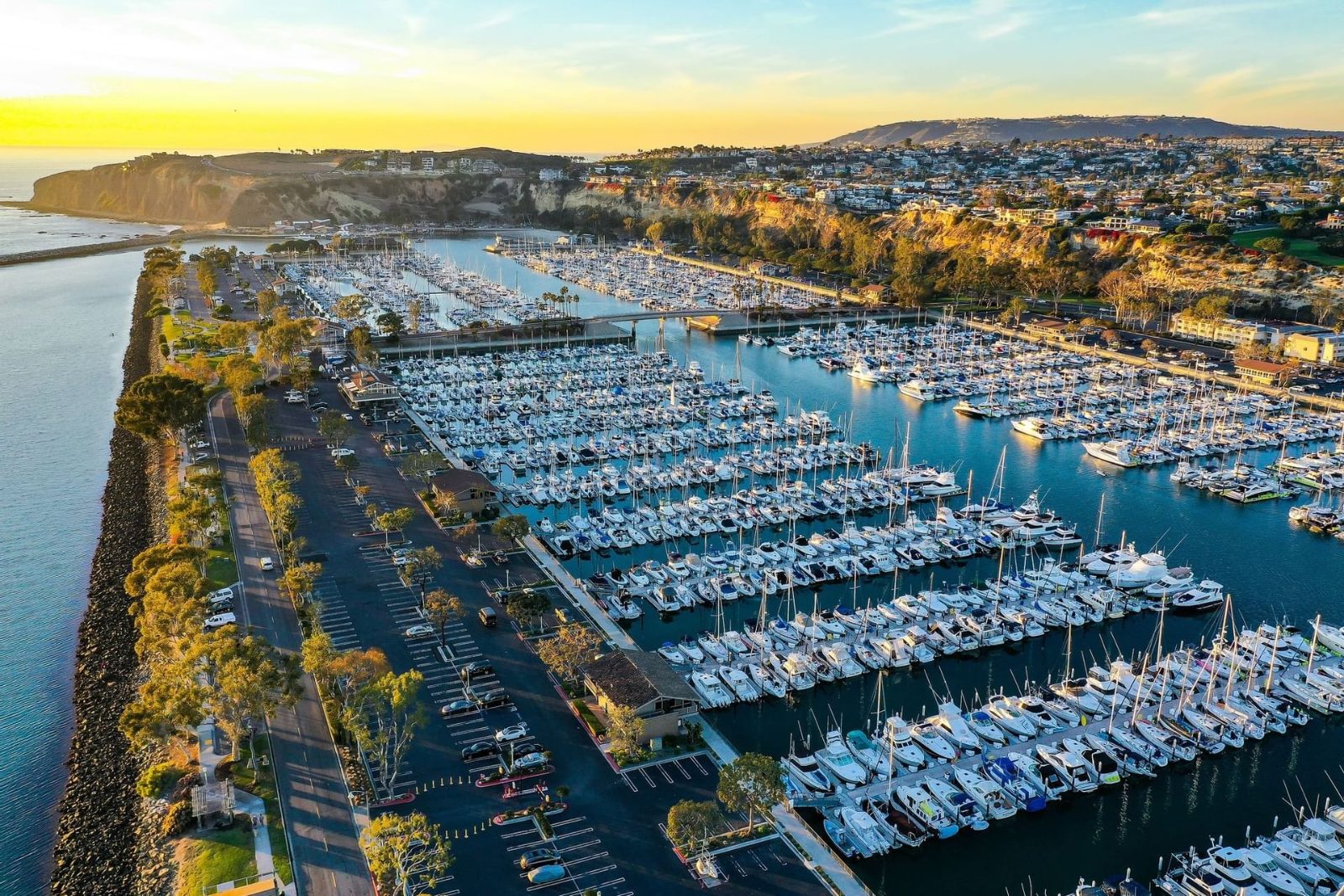
The primary departure point for all whale watching vessels, featuring protected waters and easy dock access.
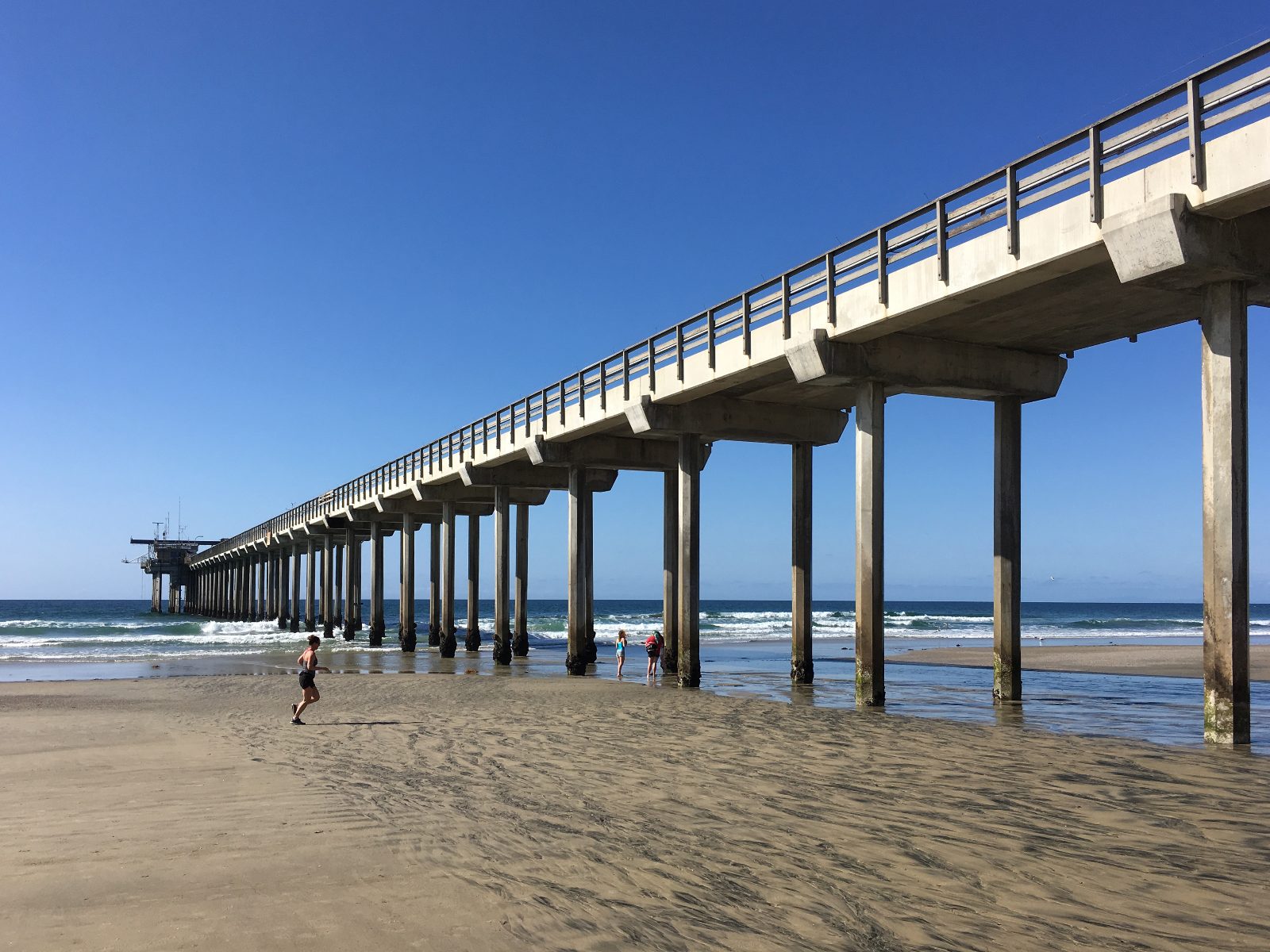
Located at the end of the harbor, this area serves as a prime vantage point for marine science observations.
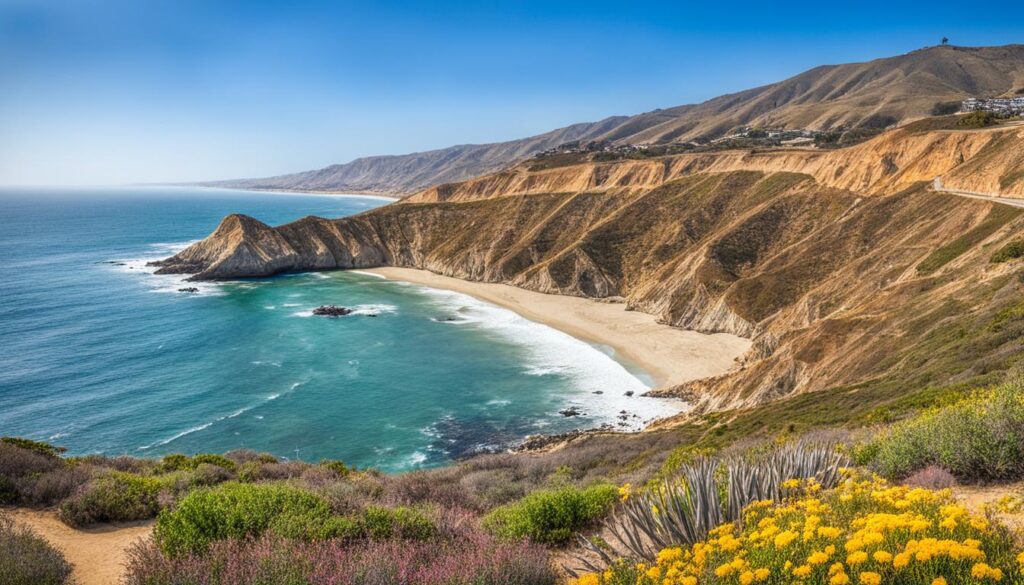
These coastal cliffs provide an elevated view of the Pacific Ocean and migrating marine mammals.
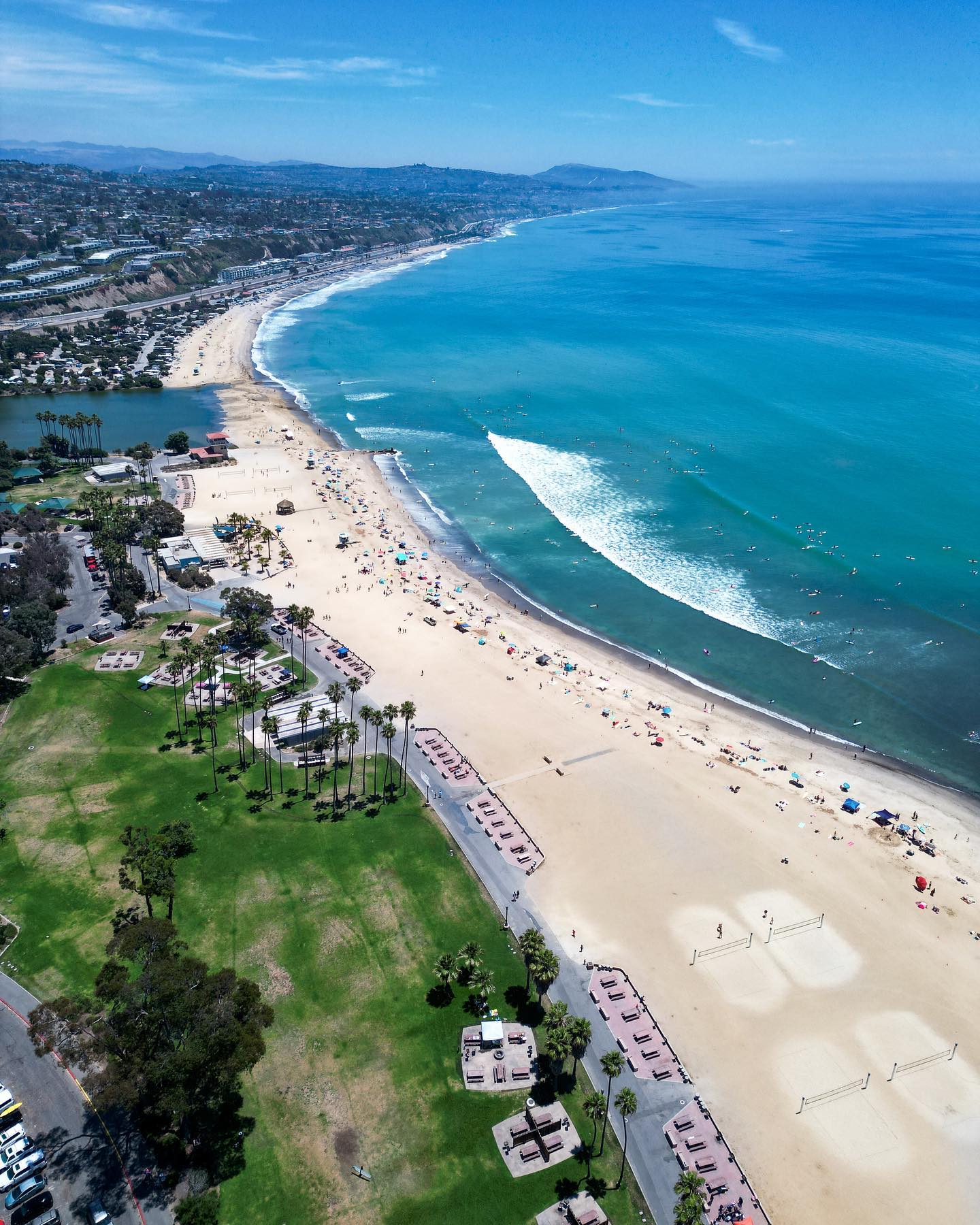
A famous surf and coastal spot located adjacent to the harbor infrastructure.
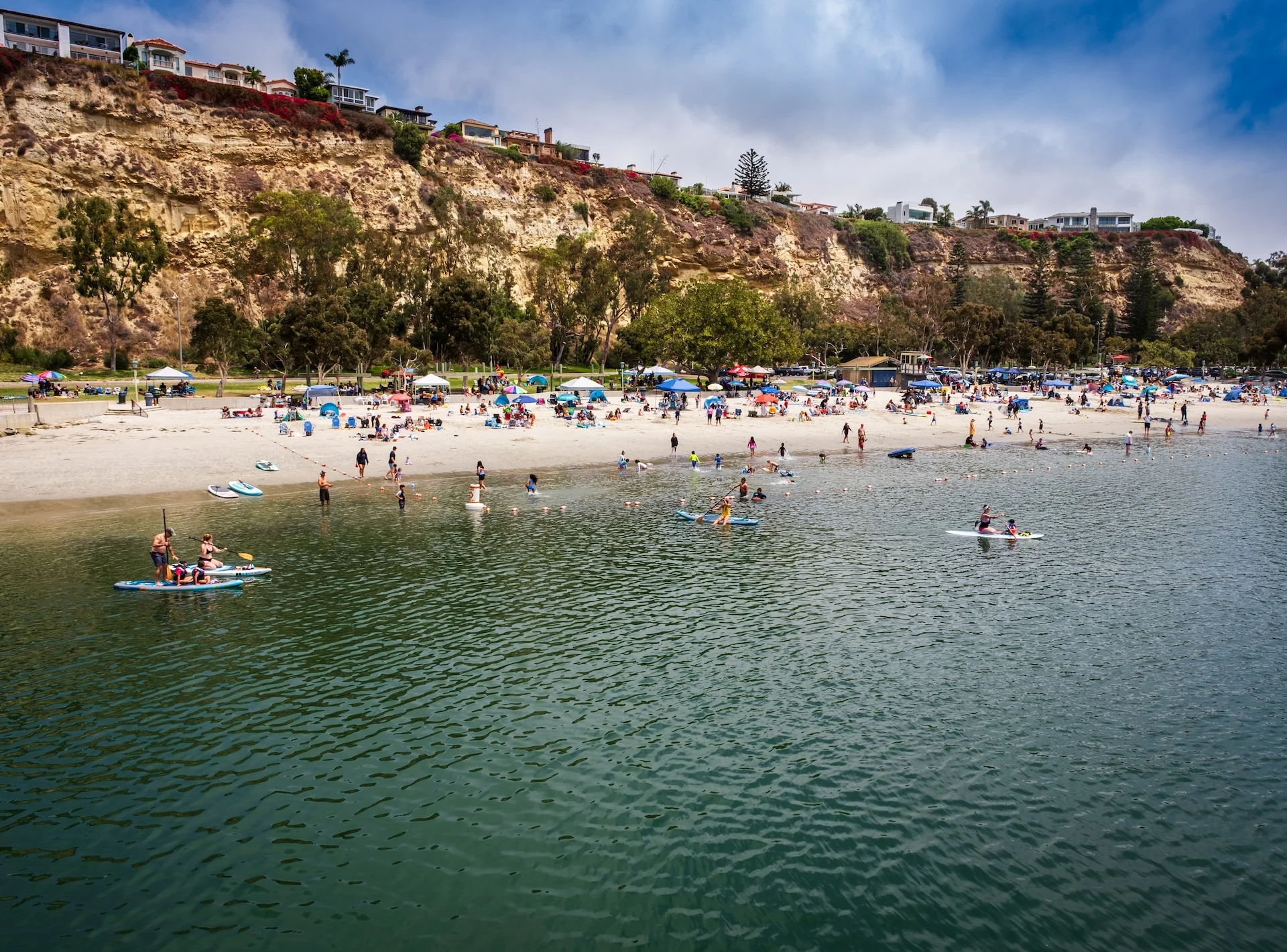
A shallow, sheltered swimming area within the harbor, perfect for calm water photography.
You board a twin-hull catamaran at Dana Point Harbor, passing commercial fishing boats and weekend sailors as your captain reviews the morning's sighting reports shared across the fleet network.
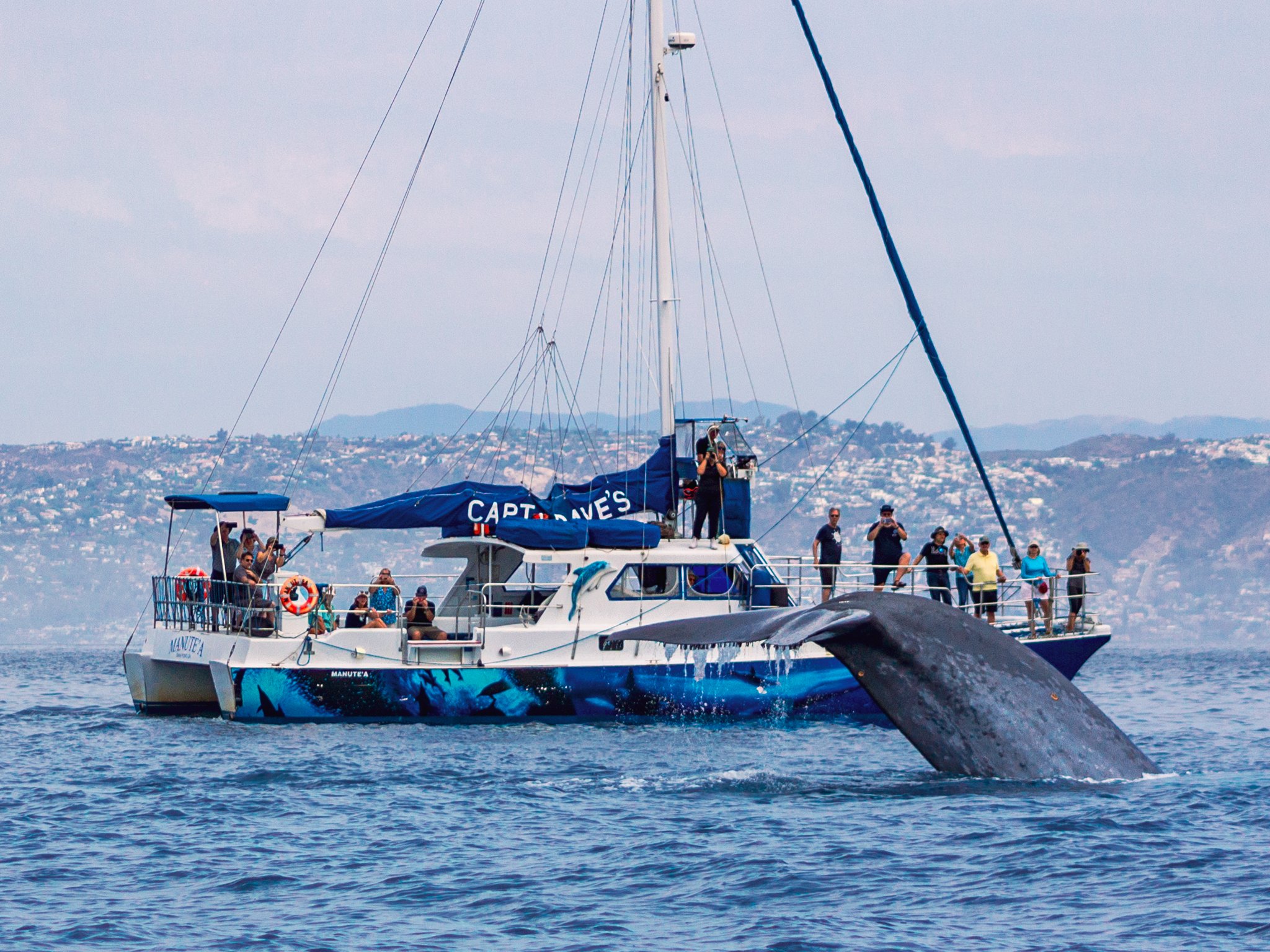
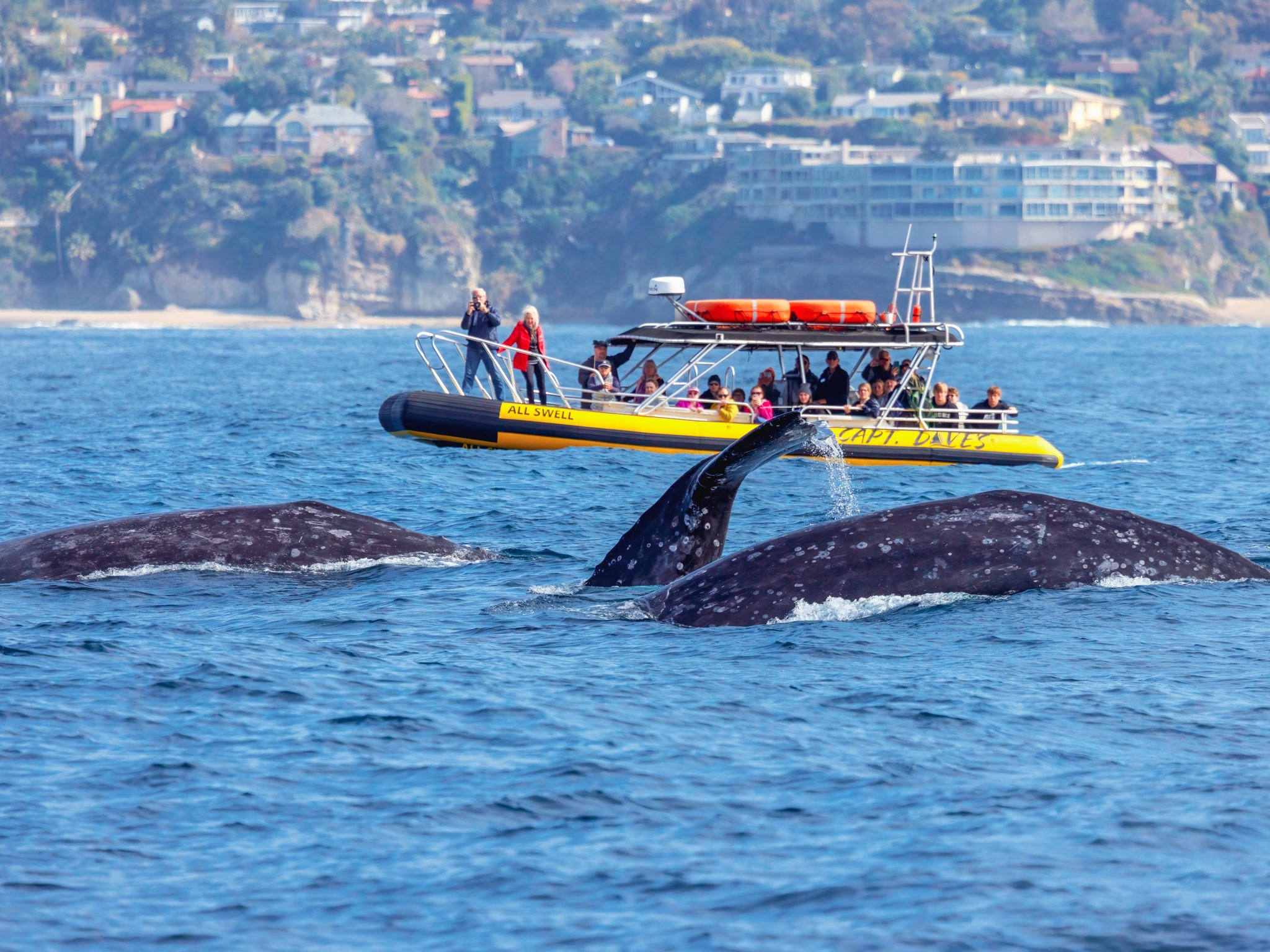
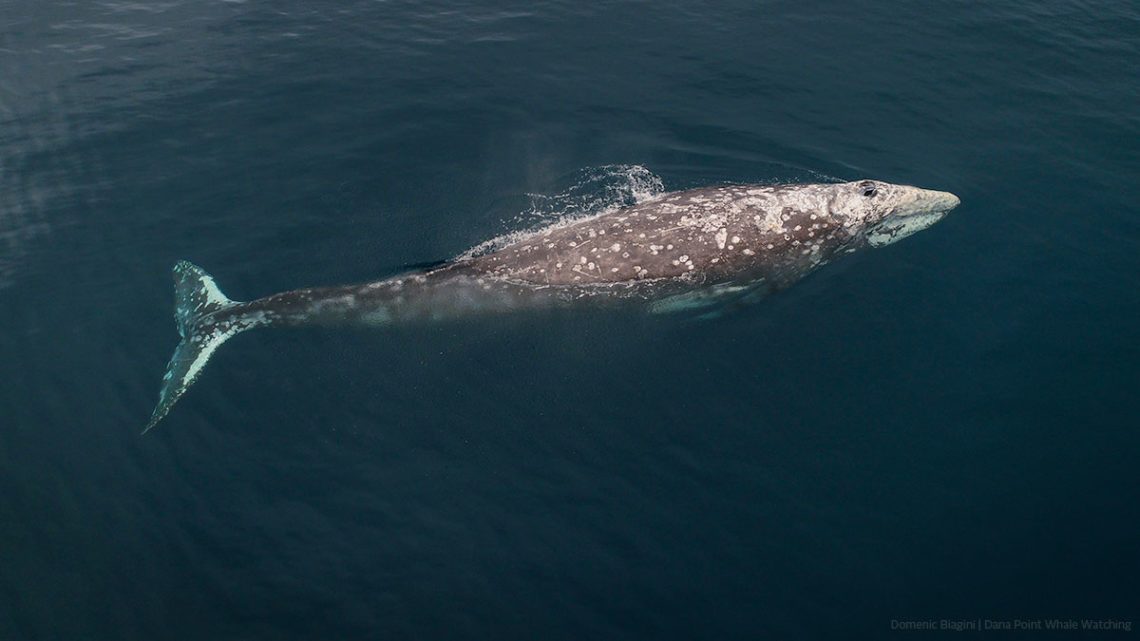
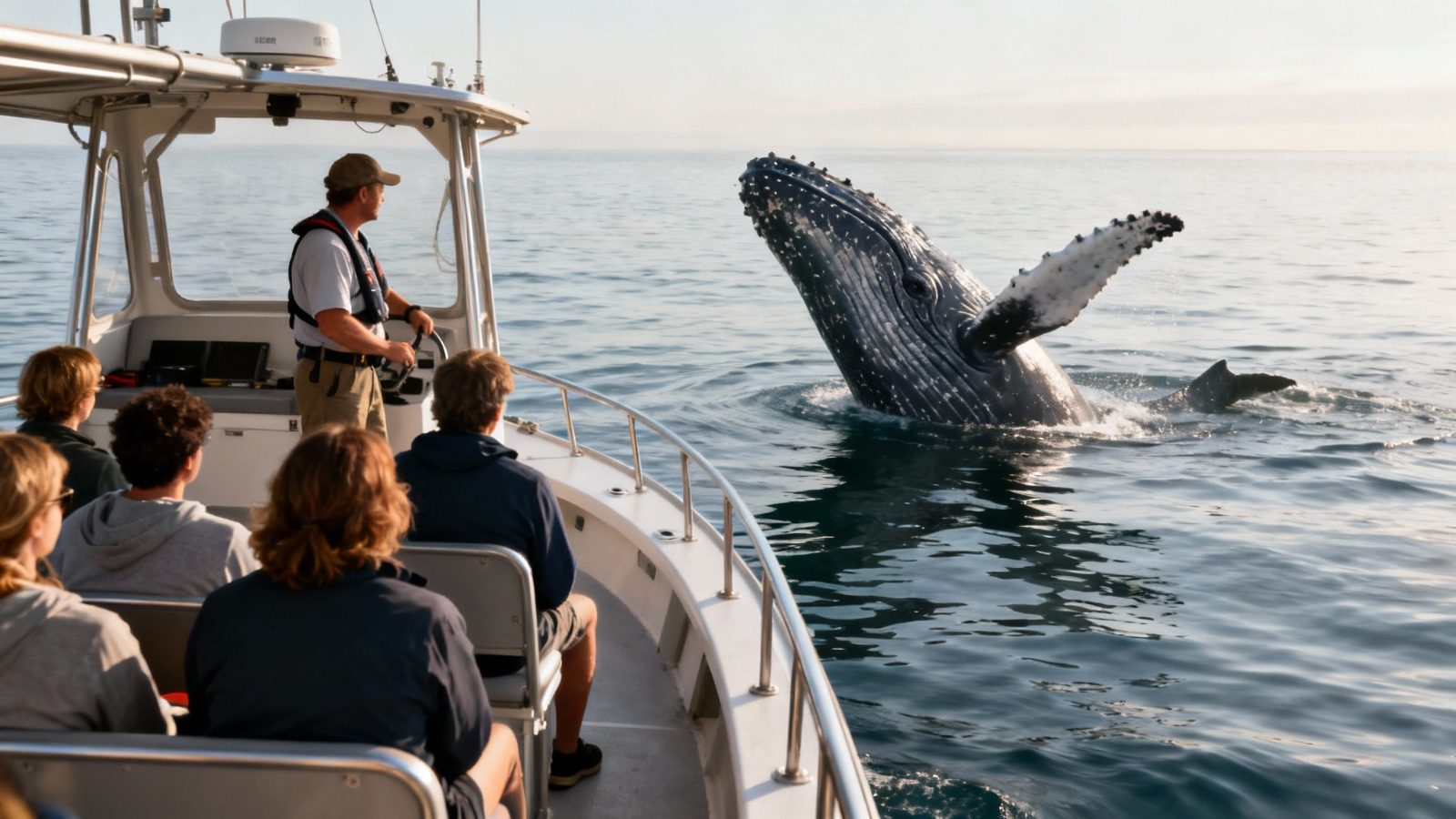
The vessel clears the harbor jetties within five minutes, and you move to the bow as the engine throttles down near the edge of the submarine canyon. A ripple breaks the glassy surface 40 yards ahead — a gray whale's barnacle-encrusted head rises, exhales a six-foot plume, and submerges in a motion that reveals 30 feet of mottled gray flank.
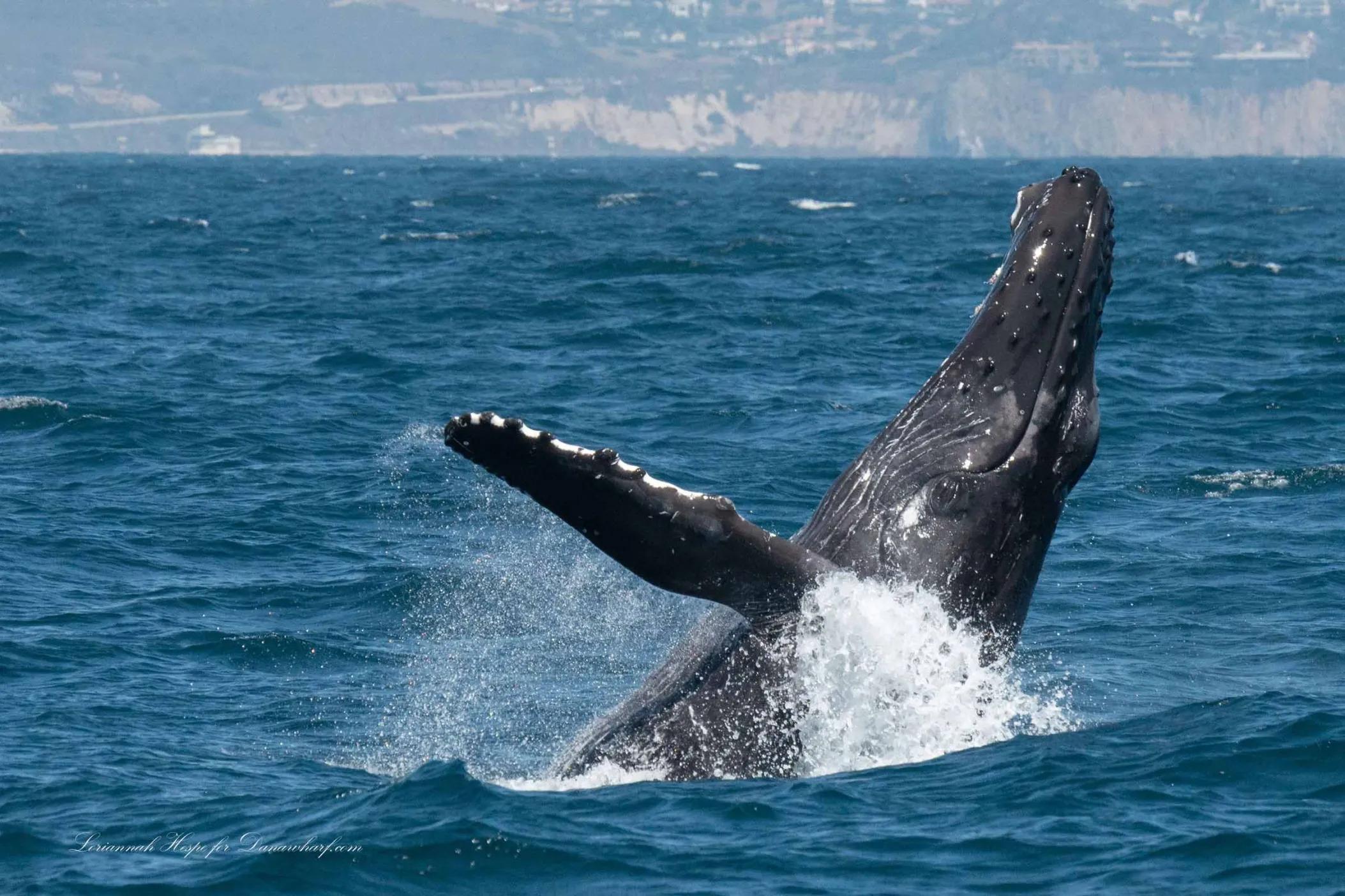
You descend the ladder into the underwater viewing pod, an acrylic dome that sits four feet below the waterline. A pod of bottlenose dolphins angles toward the hull, their clicks audible through the transparent walls as they ride the pressure wave created by the boat's passage. You count eleven individuals before they peel away toward deeper water. The captain repositions near a kelp bed where humpback whales have been feeding on anchovy schools. You return to the upper deck and wait. A fluke rises 60 yards off the port side, black on top and white underneath, before descending vertically into a feeding dive. You photograph the tail pattern — each humpback carries unique markings used by researchers to track individuals across Pacific migratory routes. The return leg follows the coastline, passing the Dana Point Headlands where you spot hikers silhouetted against morning light, their terrestrial perspective mirroring your offshore vantage point.
All the details about your upcoming adventure in one place
Dana Point whale watching offers year-round marine encounters from one of California's premier cetacean habitats. Gray whales migrate past the harbor from December through April, while blue whales and fin whales frequent the waters from May through November. Dana Point whale watching tours depart from the harbor's central dock, providing access to the rich feeding grounds where dolphins, sea lions, and seabirds are regularly sighted alongside migrating cetaceans.
Dana Point Harbor holds the distinction of being named California's first Whale Heritage Site by the World Cetacean Alliance in 2021, recognizing a coastline where more than 20,000 gray whales pass annually during their 12,000-mile migration between Baja breeding lagoons and Arctic feeding grounds.
The harbor sits atop a submarine canyon that drops to 300 feet within a nautical mile of shore, funneling nutrient-rich upwellings that sustain krill colonies and anchovy schools year-round. This bathymetric feature makes Dana Point whale watching productive across all twelve months, with peak gray whale season running December through April and blue whale season spanning May through November.
The modern whale watching industry here began in 1971 when Captain Don Hansen launched the first commercial tours from the newly constructed harbor. By the 1980s, marine biologists had documented resident populations of bottlenose dolphins, seasonal aggregations of humpback whales, and the world's largest animal — the blue whale — feeding in waters visible from shore. The 2010s brought hydrophone networks and real-time sighting apps that transformed amateur enthusiasm into citizen science. Today's captains coordinate through shared channels, logging species, pod sizes, and behavior patterns that feed into NOAA databases and inform federal marine sanctuary proposals.
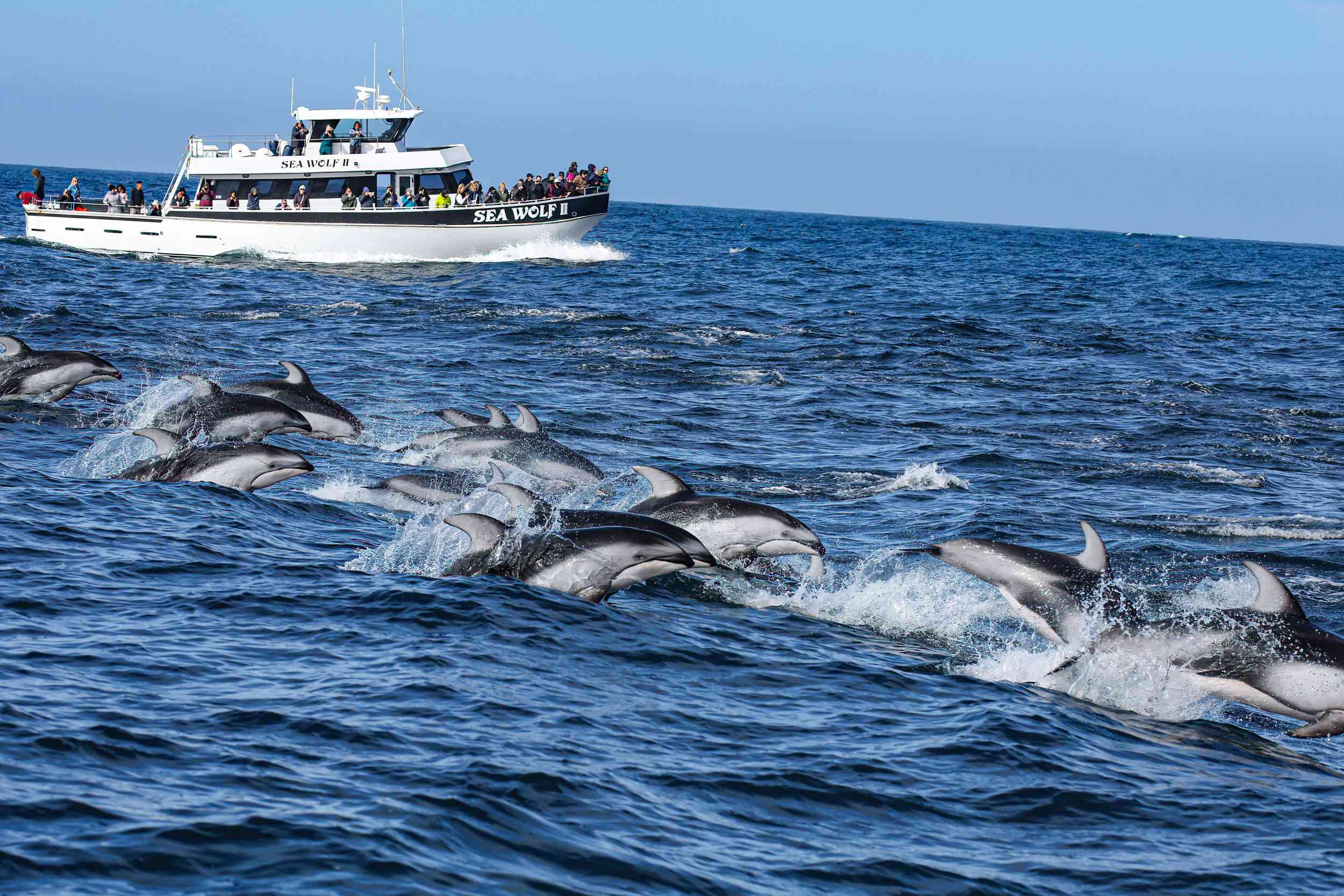
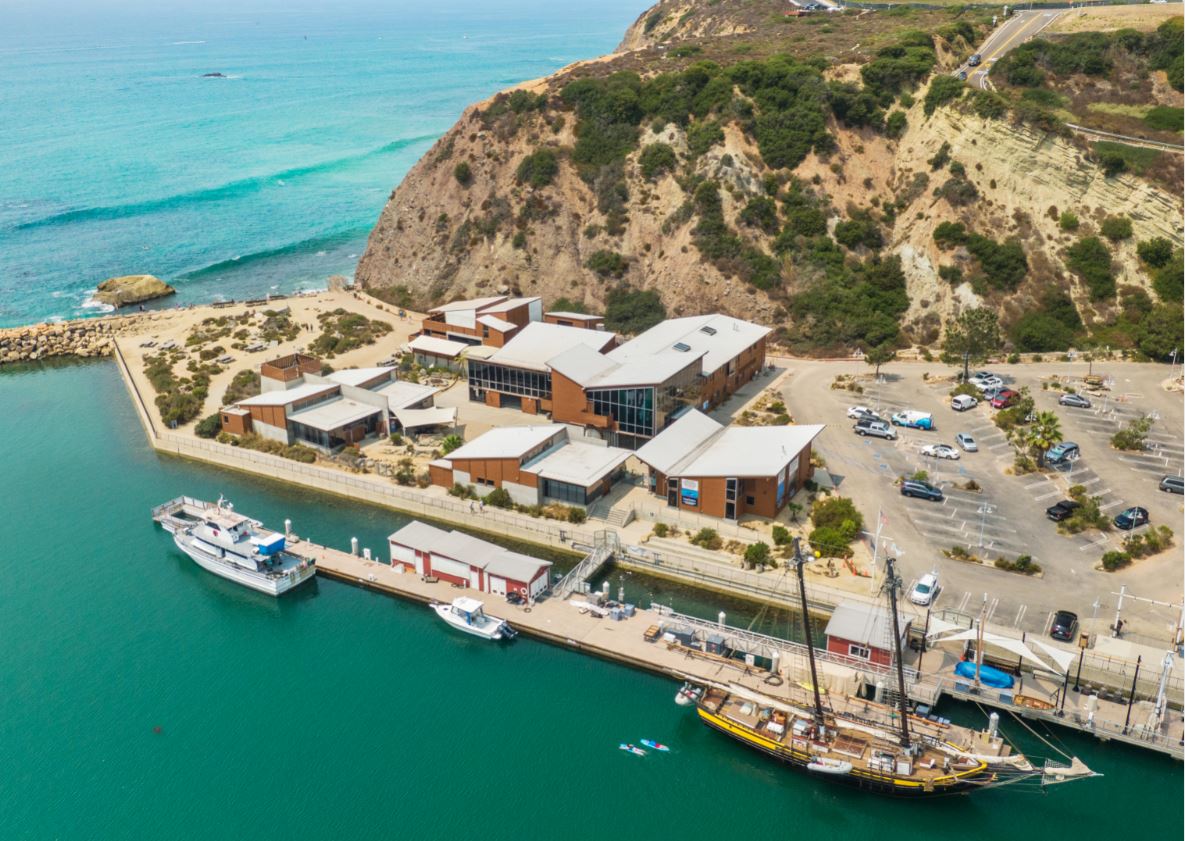
Dana Point whale watching tours operate from a working harbor that also serves commercial fishing fleets, recreational sailors, and the Ocean Institute's research vessels. Most departures use stabilized catamarans equipped with underwater viewing pods — acrylic domes mounted below the waterline that allow passengers to observe whales, dolphins, and sea lions without disturbing surface behavior. Winter tours track the gray whale migration corridor, which runs within two miles of Headlands Conservation Park. Summer expeditions venture farther offshore to intercept blue whales following krill patches along the continental shelf. Fin whales, the ocean's second-largest species, appear with increasing frequency during autumn months, while pods of up to 2,000 common dolphins are documented on nearly 90 percent of summer voyages. The harbor's proximity to protected waters means tour operators adhere to federal approach distances — 100 yards for most species, 200 yards for endangered populations — creating observation opportunities that prioritize animal welfare over proximity.
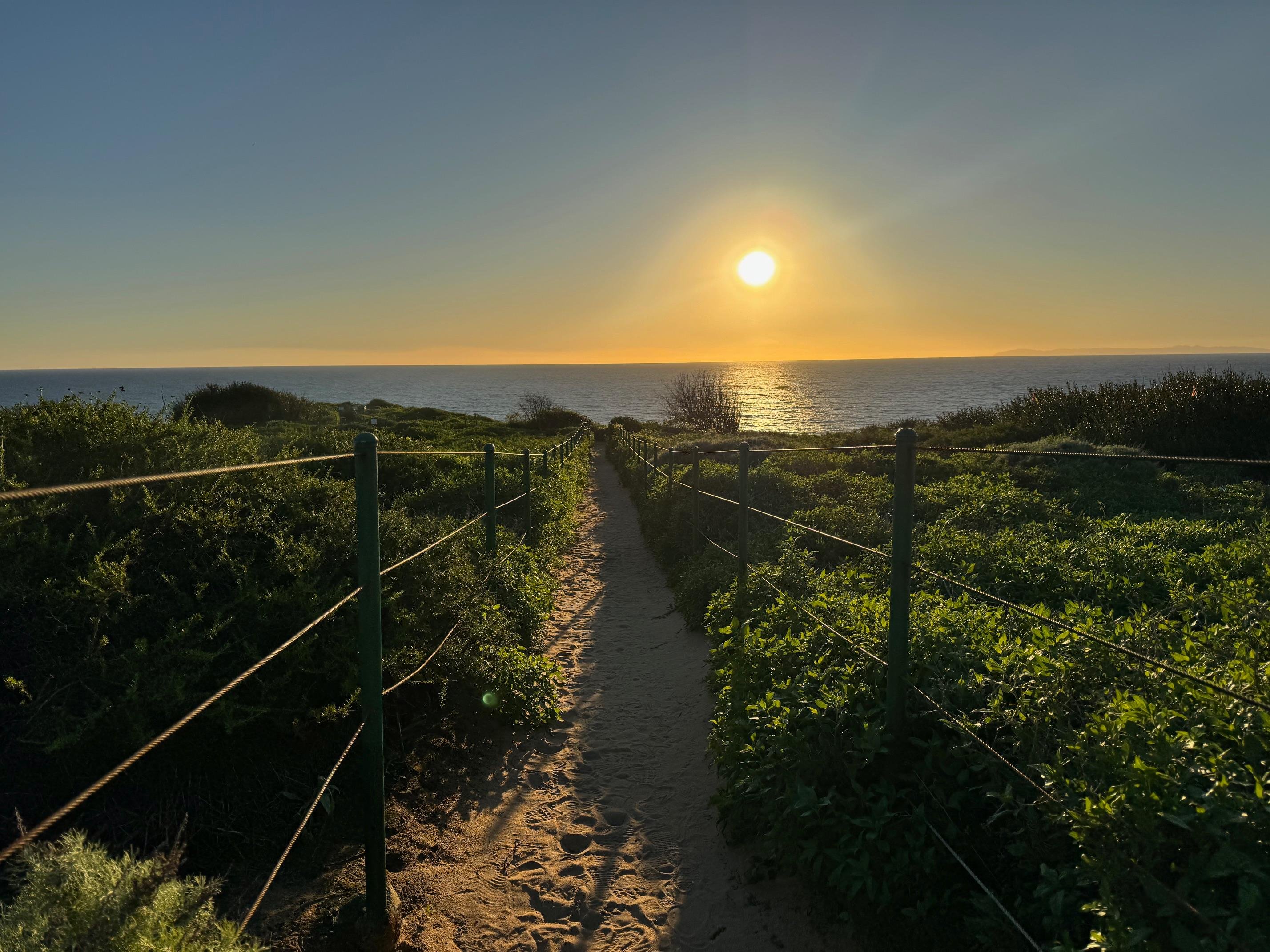
The Dana Point Headlands, visible from every vessel, serve as a terrestrial landmark and ecological complement to offshore encounters. The 118-acre preserve protects coastal sage scrub habitat and offers hiking trails where winter visitors frequently spot gray whale spouts from clifftop vantage points 200 feet above the Pacific.

Dana Point sits atop a submarine canyon that funnels nutrient-rich upwellings, sustaining whale populations year-round.
Wear layers, as ocean temperatures are cooler than on land. Non-slip, flat-soled shoes are required for safety on board during your dana point whale watching experience.
Small soft-sided bags are permitted on most vessels. Security checks may occur at the dock prior to boarding your dana point whale watching boat.
Photography is encouraged during your dana point whale watching excursion. Ensure camera gear is secured with a strap to prevent accidental drops into the water.
Children are welcome on almost all dana point whale watching vessels. Life jackets in various sizes are provided for all young passengers on board.
Many docks at the harbor offer accessible pathways for travelers. Please notify your tour operator of mobility needs when booking dana point whale watching tickets.
Guests may bring personal water bottles and small snacks on their dana point whale watching tour. Alcohol is restricted on most public whale watching vessels.
Operating Hours
00:00–23:59
Address
24440 Dana Point Harbor Drive, Dana Point, CA 92629
ADA Compliance
Vessel boarding assistance available upon request
Optimal Arrival
08:00–16:00
Storage
Limited space on vessels
Navigation
Dana Point Harbor main entrance
Car · N/A · Free parking
Parking is available throughout the harbor lots at 24440 Dana Point Harbor Drive. Follow signs for passenger loading zones near the water.
Public transport · 30-60 min · Varies by route
Bus lines stop near PCH and Street of the Golden Lantern. Walking to the harbor takes approximately 10 minutes.
Cancellations made at least 24 hours in advance are eligible for a full refund. Guests who miss their scheduled dana point whale watching tour forfeit their ticket cost, and no refund is provided for the 0 USD entrance fee portion if applicable.
Recommended time
3-4 hours
A typical dana point whale watching excursion requires allocating about three to four hours to account for check-in procedures and potential swells on the Pacific Ocean. Visitors should aim to arrive during the best arrival window of 08:00–16:00, as morning and early afternoon tours offer calmest water and best lighting for photography. Securing dana point whale watching tickets in advance helps bypass desk congestion, while harbor parking often reaches peak capacity by midday, making early arrival a strategic advantage for those seeking a smooth marine mammal observation experience. Travelers interested in these dana point whale watching tours should also budget extra time to navigate the docks and enjoy the coastal atmosphere.
Crowd levels through the day
Weather · crowds · average price — dots go green to amber to red as each metric rises.
March through May offers high chances of seeing gray whales migrating north. Temperatures are mild and seas are generally manageable.
June through September features warmer weather and frequent blue whale sightings. This is a popular season for a dana point whale watching tour.
October and November provide calmer seas and opportunities to see common dolphins. Crowds are thinner than in the summer months.
December through February is the peak of the gray whale migration. Cooler temperatures require heavier clothing for your maritime journey.
Monitor marine forecasts as wind speeds impact visibility and vessel stability. Rougher seas often affect schedule reliability for dana point whale watching tours.
Secure your dana point whale watching tickets online during peak seasons. This ensures availability on your preferred departure date.
If you are prone to motion sickness, take preventative medication 60 minutes before departure. Many operators provide ginger chews on board.
A neck or wrist strap for your camera is necessary while tracking marine life. Drops are common when vessels encounter choppy waters.
Always bring an extra layer even if the forecast predicts warmth. Wind chill on the water makes ocean temperatures feel significantly lower.
24440 Dana Point Harbor Drive, Dana Point, CA 92629
Look for the main tour signage
Get directionsDana Point Harbor emerged from a 1960s vision to transform a windswept headland into Southern California's premier small-craft marina. Congress authorized the harbor project in 1965, and construction began in 1966 under the U.S. Army Corps of Engineers. Dredging removed 3.5 million cubic yards of ocean floor to carve basins deep enough for recreation vessels. The harbor opened in 1971 with 2,500 boat slips, restaurants, and marine research facilities clustered around a protected cove that Richard Henry Dana had praised in his 1840 memoir Two Years Before the Mast. Gray whales had migrated past this coastline for millennia, but organized dana point whale watching tours did not exist until Captain Don Hansen launched the first commercial trips in 1971. Hansen, a former tuna fisherman, recognized that the newly completed harbor sat directly along the gray whale migration corridor between Alaska and Baja California. His early expeditions used retrofitted fishing boats and carried fewer than twenty passengers. Word spread among marine biologists at nearby research stations, and by 1974 three competing operators offered daily departures during the winter migration season. The dana point whale watching industry expanded rapidly through the 1980s as environmentalism gained public traction and Congress passed the Marine Mammal Protection Act in 1972, which standardized approach distances and observation protocols. A turning point arrived in 1988 when researchers documented blue whales feeding year-round in submarine canyons just offshore. This discovery extended the dana point whale watching season beyond the gray whale migration, establishing the harbor as a destination for viewing multiple cetacean species including humpbacks, fin whales, and dolphins. The Dana Point Whale Festival, launched in 1972 as a single-day event, grew into a month-long celebration by the 1990s. Today, more than a dozen operators based at 24440 Dana Point Harbor Drive conduct trips using vessels purpose-built for marine observation. The harbor remains one of the few West Coast ports where blue whales and gray whales can be observed within two miles of shore throughout much of the year.
Richard Henry Dana describes the headland in his maritime memoir Two Years Before the Mast
Congress authorizes construction of Dana Point Harbor under federal small-craft marina program
Army Corps of Engineers dredges 3.5 million cubic yards to create protected harbor basins
Captain Don Hansen launches first commercial whale watching excursions from the new harbor
Marine Mammal Protection Act establishes federal guidelines for commercial cetacean observation
Marine biologists document year-round blue whale presence in offshore submarine canyons
Harbor whale watching fleet expands to twelve operators serving 100,000 annual passengers
Visitors planning a trip near dana point whale watching will find a variety of dining options conveniently located throughout the harbor. From casual waterfront cafes to refined bistros, these establishments cater to guests before or after their maritime excursions.
Located right on the water, this venue specializes in fresh catches and local ingredients. It is a popular spot for groups returning from dana point whale watching tours to enjoy a meal with harbor views.
This charming espresso bar offers outdoor seating and a wide selection of sandwiches and pastries. It serves as an ideal quick stop to grab coffee before your dana point whale watching tour.
Featuring panoramic ocean vistas, this classic harbor destination provides a relaxed atmosphere for lunch or dinner. It is well-regarded by those holding dana point whale watching tickets who want to dine in a scenic setting.
Real experiences from real travelers
Our captain positioned the boat perfectly when a mother and calf surfaced less than twenty feet away. The onboard naturalist explained migration patterns and identified individual whales by fluke markings. September timing gave us clear skies and calm seas for the two-hour tour.
We witnessed three separate breaches during our dana point whale watching tour, something the crew said happens mainly during feeding season. The boat stayed a respectful distance while we photographed the action. Bring layers even in summer since offshore winds pick up by midday.
The marine biologist on board identified not just whales but also explained the entire Dana Point ecosystem. We spotted blue whales feeding on krill patches, their spouts visible from a quarter-mile away. The catamaran design meant stable viewing from multiple deck levels.
While we were searching for gray whales on their northward migration, a superpod of five hundred common dolphins surrounded the vessel for fifteen minutes. The whale sightings were distant but the dolphin encounter more than compensated. Morning departures seem to have calmer conditions.
Our April trip caught the tail end of gray whale season plus an unexpected blue whale approximately sixty feet long. The crew estimated its size by comparing to the boat length. Dana Point's deep offshore canyon brings these giants close to shore during their feeding cycles.
The vessel carried hydrophones so we heard whale vocalizations underwater, adding another dimension to visual sightings. Crew maintained proper distance regulations while positioning for optimal photography angles. The dana point whale watching tours operate year-round with different species each season.
Six AM departure meant glassy ocean conditions and better whale activity before afternoon winds. We logged sightings of three gray whale pods plus sea lions hauled out on navigation buoys. The naturalist's commentary about migration routes and feeding behaviors made the experience educational beyond just spotting wildlife.
This was my third trip with this operator over two years and they have never failed to locate cetaceans. Today brought humpback flukes as individuals dove for deep feeding runs. The Pacific waters off Dana Point clearly support abundant marine life given the kelp forest ecosystems visible from the boat.
September brings humpbacks lingering in Southern California waters to feed before their Hawaiian migration. We watched lunge feeding behavior where whales surfaced vertically with gulps of krill and small fish. The crew's spotting skills meant we intercepted whale movements rather than chasing.
A curious juvenile gray whale approached the stationary boat and surfaced repeatedly near the stern, apparently investigating its reflection in the hull. These dana point whale watching tickets included guaranteed sightings or a return voucher, though we needed no such backup given the ten separate whale encounters during our three-hour excursion.
Everything you need to know for your journey
The harbor area is accessible 00:00–23:59 daily, with tours operating throughout the day.
Many vessels offer wheelchair access, though guests should call the operator at +1-949-488-2828 to confirm specific boat compatibility.
Bring sunscreen, a hat, a light jacket, and a camera to your dana point whale watching tour for the best experience.
Yes, you may bring small snacks and water on board your dana point whale watching vessel.
Photography is encouraged, provided you do not use professional tripods that interfere with passenger safety.
The best arrival window for your dana point whale watching excursion is 08:00–16:00 to enjoy the calmest water and best lighting.
Cancellations made 24 hours prior are eligible for a full refund on your dana point whale watching tickets.
Glass bottles, drones, and large coolers are prohibited on all dana point whale watching vessels.
Families are encouraged to join these tours as most dana point whale watching operators provide life jackets for children.
Yes, you can visit the Ocean Institute or Doheny State Beach, both within a short walk of the dana point whale watching docks.
Educational facility focused on marine science and maritime history.
Coastal beach area ideal for walking and viewing local bird life.
Protected swimming cove located within the harbor boundaries.
Conservation area with hiking trails and scenic coastal outlooks.
Resort overlooking the harbor with views of the coastline.
Convenient lodging located directly within the harbor.
Standard amenities within walking distance of the docks.
Join thousands of happy travelers who have discovered this incredible experience
Book Your Experience Now