

Quick answer
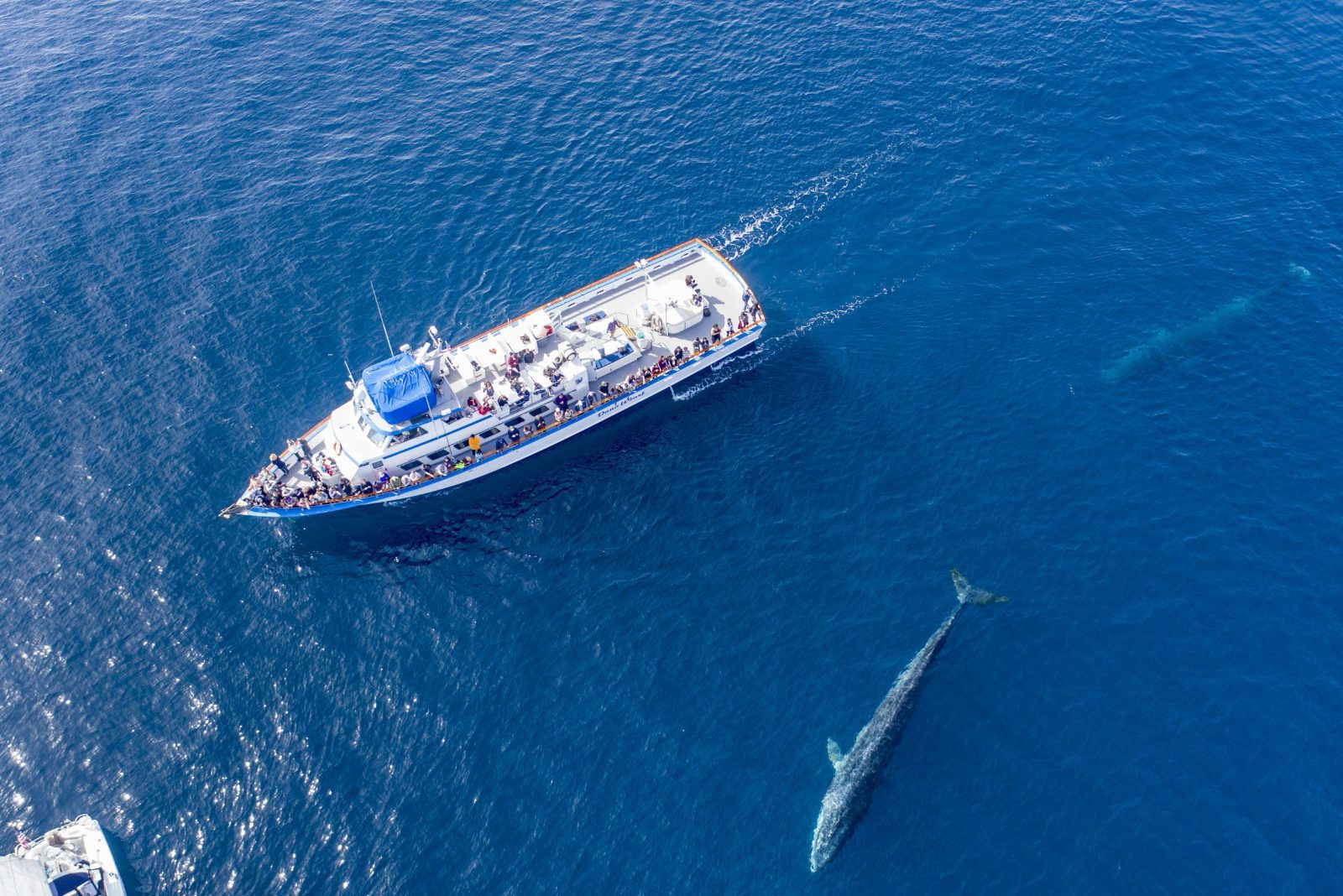
Dana Point whale sightings today depend on the current phase of migration season. September 2026 marks the tail end of blue whale and humpback whale presence along the Southern California coast, with these species feeding in nearby waters before their southward journey. Gray whales do not typically appear until mid-December. Morning departures between 8:00 and 10:00 AM offer calmer seas and the highest probability of encountering feeding pods, though afternoon tours can still produce sightings when bait fish concentrate near the continental shelf.
The waters off Dana Point Harbor support one of the planet's most consistent year-round cetacean populations, with over 20,000 gray whales passing within ten miles of shore during their annual migration cycle. September sits within the late-summer feeding window when blue whales and humpback whales linger in the San Pedro Channel, drawn by krill blooms that form along underwater canyon systems. Captains departing from Dana Point Harbor rely on real-time marine mammal reports from a network of spotters and offshore fishing vessels. These reports track fin whale pods moving south along the 100-fathom curve, Risso's dolphins following squid concentrations, and the occasional minke whale foraging in shallow water. The harbor's proximity to the Dana Point Headlands creates a natural observation point where coastal currents push nutrient-rich water to the surface, attracting bait fish and the predators that follow them. Dana Point whale sightings today reflect the transition between feeding and migration seasons. Blue whales, which can exceed 80 feet in length, are still present but their numbers decline through September as they shift south toward Central American waters. Humpback whales remain more common, their surface behavior making them easier to spot when they breach or slap the water with their pectoral fins. Common dolphins and bottlenose dolphins appear year-round in superpods that can number over 1,000 individuals. The harbor operates 365 days a year, with charter vessels and naturalist-led tours departing multiple times daily. Sighting probability varies with ocean conditions, weather fronts, and the movement of prey species, but the convergence of deep submarine canyons and coastal upwelling zones keeps this stretch of Pacific water biologically active across all seasons. Naturalists aboard most vessels provide species identification and explain the ecological forces that concentrate marine life in this particular section of the California coast.
“Over 20,000 gray whales pass within ten miles of Dana Point Harbor during their annual migration, making this one of the most reliable cetacean viewing corridors in the Pacific.”
Optimal Hours for Dana Point Whale Sightings Today
Dana Point offers year-round whale watching, with the best arrival window between 08:00–10:00. Morning tours frequently benefit from calmer sea conditions and increased wildlife activity.
Winter (Dec–Apr)
Moderate crowds55°F–68°F; frequent gray whale sightings.
Gray whale migration occurs during these months. Mornings provide the smoothest water for viewing.
Summer (May–Sep)
High crowds65°F–78°F; blue whales arrive.
Blue whales are most active during this period. Early departures avoid afternoon wind.
Weekday Mornings
Low crowds—
Mid-week morning excursions offer the quietest experience. Wildlife remains active and sea states are typically calmest.
Verdict: The best opportunity for sightings is during a weekday morning arrival between 08:00–10:00, particularly during the peak gray whale migration in winter or blue whale season in summer.
Operational Schedule for Dana Point Whale Sightings Today
Dana Point Harbor grounds remain accessible to the public throughout the entire week. Visitors may access the harbor area at any time, day or night.
| Monday | 00:00–23:59 | |
|---|---|---|
| Tuesday | 00:00–23:59 | |
| Wednesday | 00:00–23:59 | |
| Thursday | 00:00–23:59 | |
| Friday | 00:00–23:59 | |
| Saturday | 00:00–23:59 | |
| Sunday | 00:00–23:59 |
Entrance and Parking Fees for Dana Point Whale Sightings Today
Access to Dana Point Harbor grounds for whale sightings is provided at no cost. Visitors should be aware that parking fees apply depending on the duration of their stay.
A typical visitor pays 0 USD for harbor entry, with parking costs only incurred if the stay exceeds four hours.
How to Navigate to Dana Point Whale Sightings Today
Dana Point Harbor is located at 24650 Dana Point Harbor Drive, Dana Point, CA 92629. The most direct approach is via Interstate 5, exiting at Pacific Coast Highway (Highway 1) to reach the harbor entrance.
I-5 to CA-1 (Pacific Coast Highway) exit
OCTA Route 1 or 91 to PCH/Dana Point Harbor Dr
Direct to 24650 Dana Point Harbor Dr
Essential Preparation for Dana Point Whale Sightings Today
Prepare for changing sea conditions and extended time on the water with these essentials.
-
Layer clothing for variable temperatures
-
Ocean temperatures can shift quickly, and morning departures often start cool before warming by midday.
-
Bring motion sickness medication if prone
-
Even calm seas can trigger nausea during extended offshore viewing, especially for first-time boaters.
-
Pack binoculars for distant sightings
-
Whales surface unpredictably and may appear hundreds of yards from the vessel.
-
Apply reef-safe sunscreen before departure
-
UV exposure reflects off water and intensifies during multi-hour tours.
-
Wear non-slip, closed-toe shoes
-
Wet decks become slippery, and open footwear offers no protection during sudden movements.
-
Secure cameras with neck straps
-
Choppy conditions and sudden whale breaches can cause unsecured gear to fall overboard.
-
Carry a light rain jacket
-
Sea spray and occasional fog are common even when coastal weather appears clear.
Check availability
Frequently asked questions about dana point whale sightings today
Everything you need to know about dana point whale sightings today